Striving to Blossom in the Desert
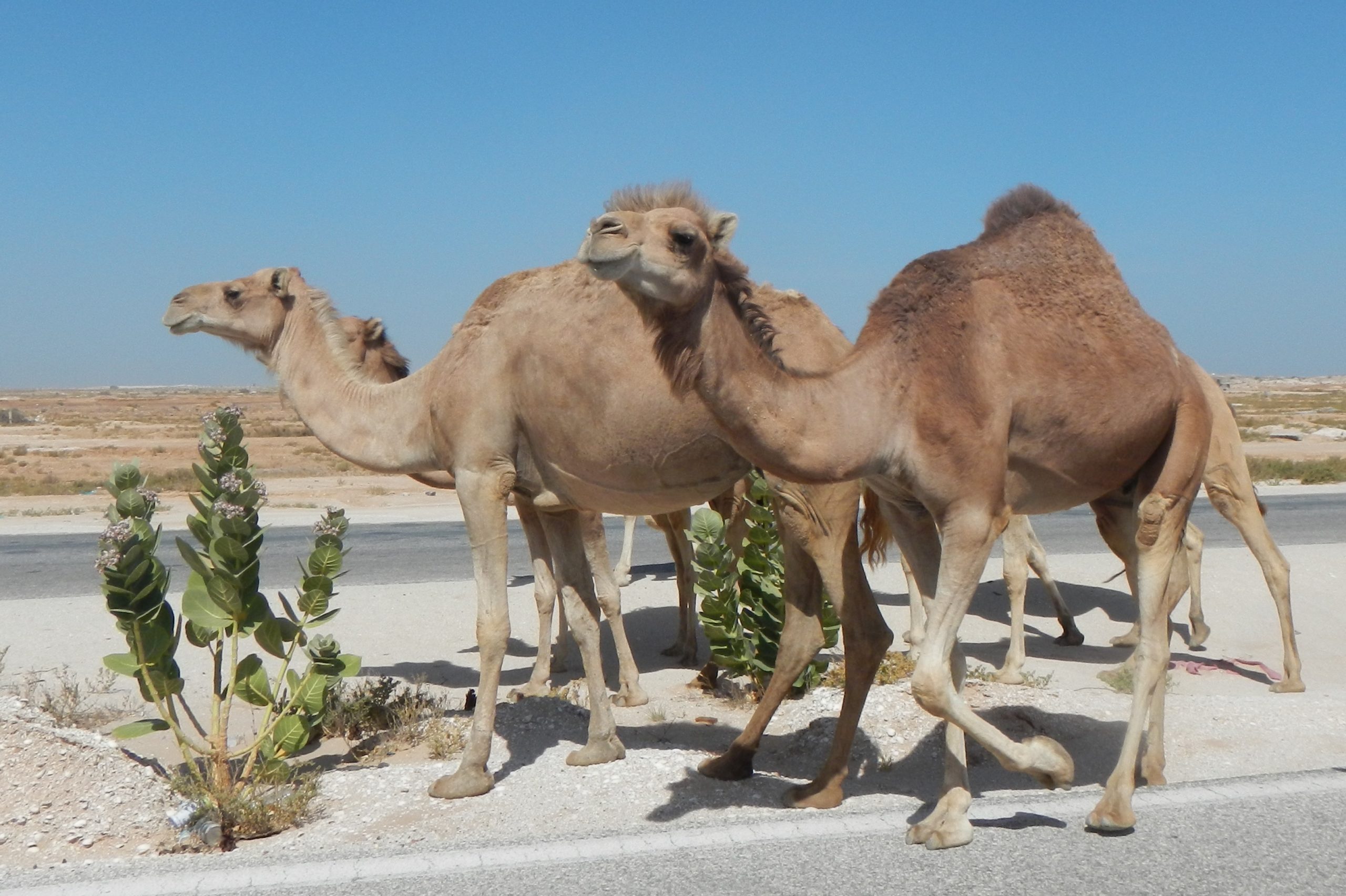
Non-Anxious, Undefended Camels
Revisiting the ideas of Edwin Friedman and Simon Walker this semester has led me to deeper layers of self-awareness, identity, and spiritual formation.[1] Their frameworks have become more than academic concepts; they have become invitations to inner transformation. Friedman’s insight that differentiated, non-anxious leaders often walk alone has touched me deeply, especially in Mauritania, where leadership can feel isolating, misunderstood, or resisted.[2] His reminder that the emotional process of the group should not control the leader has helped me identify the moments when I feel pulled into anxiety or reactivity.[3] Walker’s work presses even further, challenging me to root my leadership identity not in approval, performance, or cultural expectations but in who God created me to be and letting others do the same.[4] His notion of undefended leadership continues to dismantle the internal patterns of self-protection that I have carried since childhood.
A recent job interview revealed how easily these patterns can surface. I was told that my coaching model “would never work in Mauritania” because “Mauritanians just want to be told what to do.” Everything in me wanted to respond defensively—to justify my methods, my experience, and the relationships I have built here. But as I listened, I recognized the interviewer’s anxious, defensive posture. In that moment, I breathed, prayed, and realized that his anxiety did not need to become mine. I remembered Friedman’s language of sabotage and systemic resistance [5] and Walker’s invitation to remain undefended.[6] I stepped back internally and thought, “This does not need to become my next job.” For the first time, I felt clarity, not because I defended myself, but because I stayed grounded.
As I apply Friedman and Walker to my leadership, I want to continue growing in my ability to recognize when I feel defensive, anxious, or overwhelmed—and to return quickly to a calm and non-anxious presence. I want to walk in the freedom both authors describe: Friedman’s differentiation and Walker’s undefended identity. These are not just leadership techniques; they are ways of being that I long to practice daily in my cross-cultural context.
 Some of the deepest thresholds of my soul go back to childhood. I grew up as “the good kid”—the one who memorized Bible verses, won awards, made adults proud, and carried enormous expectations quietly. But that image had a hidden cost: a pressure to maintain appearances, to perform, and to keep my weaknesses unseen. These patterns followed me into adulthood, into ministry, and into leadership. Throughout the DLGP program, I have learned that this desire to please and to be perfect also fuels anxiety and over-responsibility. Walker’s work on ego structures exposed this tendency,[7] while trauma-informed leadership readings, such as Rowe and Rowe, helped me understand how unaddressed wounds shape leadership habits.[8] The threshold has been recognizing that my identity rests not in what I achieve, but in being God’s beloved daughter.
My leadership identity continues to evolve intellectually, emotionally, and spiritually. Intellectually, I see myself as a leader who can speak into complex issues with informed, thoughtful perspectives rather than reactive responses or fleeing the topic. Emotionally, I have learned to acknowledge the shadow places I once avoided, letting God heal and reshape them. Spiritually, I am learning to follow the Spirit’s leading with trust, humility, and curiosity. Through this program, my confidence has grown; not in myself alone, but in the God who has shaped me, gifted me, and placed me in Mauritania for His purposes.
Mauritania is unpredictable, reactive, and constantly shifting. This is how new thresholds are emerging in this season as well—often unexpected but always inviting me to change. I have learned to create margin, to hold plans loosely, and to let God direct my steps. I am sensing new invitations—opportunities to use my coaching, leadership training, and doctoral work to influence Mauritanian leaders. Those who have the power to shape their communities. I also feel called to help Gospel workers find Sabbath rest, healthy boundaries, and margin, all of which have sustained me for thirteen years. These threads align with my NPO’s vision: to develop leaders who collaborate, listen, serve, and grow.
The practices that keep me grounded and have become habits include time with God, Sabbath, saying “no” when necessary, exercise, journaling, prayer, a nutritious diet, and rest. They are essential to my identity as an undefended, non-anxious leader. When I honor these practices, I feel myself return to a heavenward focus, my inner being at peace, and my mind ready to lead with clarity and joy.
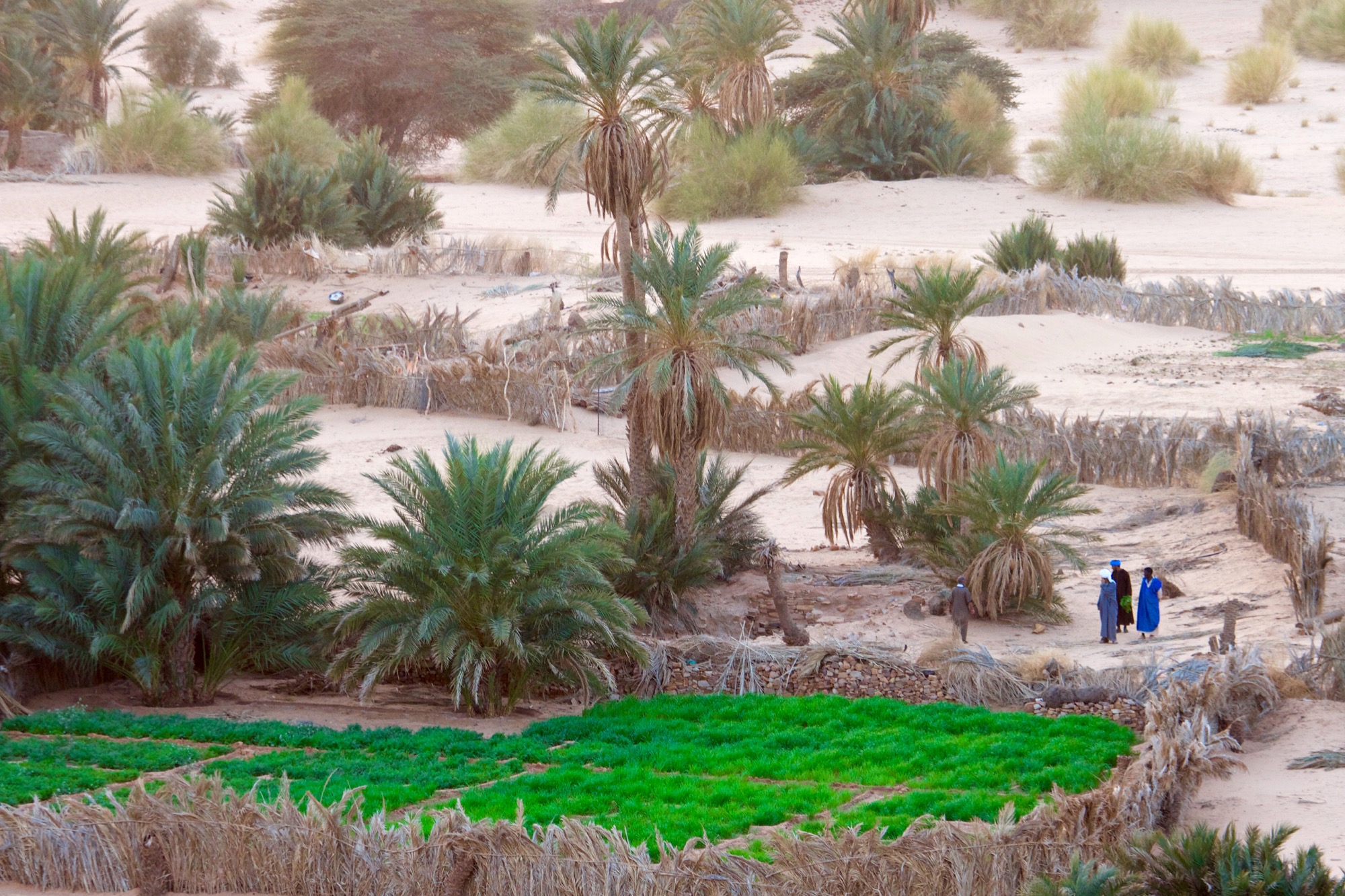
Mauritanian Desert in Bloom
Ultimately, understanding myself intellectually, emotionally, and spiritually profoundly shapes my vocation. I am first a follower of Jesus—learning to love Him with my heart, mind, and soul. I am a leader who seeks to walk alongside and listen to others with compassion and truth. As a nurse practitioner, I want to help people feel seen, heard, and encouraged to grow toward holistic healing and become who God created them to be. As I continue living in the Sahara, I pray that my presence reflects Christ’s calm, undefended, courageous love and hope. May we see the Isaiah 35:1-2 prophecy come true for the people Mauritania:
“The wilderness and the dry land shall be glad; the desert shall rejoice and blossom like the crocus; it shall blossom abundantly and rejoice with joy and singing.” (NIV)
[1] OpenAI. ChatGPT (GPT-5.1). “DLDR817 Reflective Essay Assistance.” ChatGPT response to author’s prompt, November 2025.
[2] Edwin H. Friedman, A Failure of Nerve: Leadership in the Age of the Quick Fix, 10th Anniversary Revised Kindle ed, ed. Margaret M. Treadwell and Edward W. Beal (Church Publishing, 2017) 312.
[3] Ibid, 85.
[4] Simon P Walker, Leading Out of Who You Are: Discovering the Secret of Undefended Leadership, The Undefended Leader Trilogy, Book 1 (Piquant Editions Ltd, 2007).
[5] Friedman, A Failure of Nerve, 18.
[6] Walker, Leading Out of Who You Are, 149.
[7] Ibid, 148.
[8] Nicholas Rowe and Sheila Wise Rowe, Healing Leadership Trauma: Finding Emotional Health and Helping Others Flourish (InterVarsity Press, 2024), 26.
About the Author
Kari
Kari is a passionate follower of Jesus. Her journey with Him currently has her living in the Sahara in North Africa. With over a decade of experience as a family nurse practitioner and living cross-culturally, she enjoys being a champion for others. She combines her cross-cultural experience, her health care profession, and her skills in coaching to encourage holistic health and growth. She desires to see each person she encounters walk in fullness of joy, fulfilling their God-designed purpose. “Rejoice in hope, be patient in tribulation, be constant in prayer.” Romans 12:12 ESV8 responses to “Striving to Blossom in the Desert”
Leave a Reply
You must be logged in to post a comment.

















































































Kari,
I appreciate your comment “As I apply Friedman and Walker to my leadership, I want to continue growing in my ability to recognize when I feel defensive, anxious, or overwhelmed—and to return quickly to a calm and non-anxious presence.”
Looking into your non-existent crystal ball, how long do you see yourself staying where you are at (country wise) and when/if God calls you to go elsewhere, what is your dream destination?
Hi Kari,
This is an interesting journey. Loved your blogs.
What unfinished parts of yourself are you learning to sit with patiently?
Kari,
Congrats friend and fellow worker. You have done it! You have written the final blog post. I have truly enjoyed getting to know you over the last couple of years and seeing your learning directly applied into real life work for the kingdom. I know that at times you might get weary, but you have an inner strength and resolve that most don’t. You endure hardships while indulging yourself in very little (except for some beautiful jewelry in Cape Town!) Our work has so many similarities that it has allowed us to understand each other’s perspectives in unique ways. I look forward to seeing who Dr. Kari N.P. becomes over the next few years.
Hi Kari, I see you as a brave, bright blossom in that desert! DLGP03 richer because you chose this program and shared your light with us. Thank you for modeling a life committed to Jesus. And forevermore when I read your name I will hear it pronounced in Dr. Clark’s voice and accent.
My friend,
I have to start by saying: I’m very happy you included a picture of us in your blog.
Your reflection on Friedman really resonated. His point about differentiated, non-anxious leaders often walking alone is something that feels especially true here. You named so well how leadership in this place can feel isolating or misunderstood, and how important it is to notice when the emotional pull of a group tries to drag you into anxiety.
Your interview story stood out to me. I can imagine the urge to defend yourself, and saying, “This doesn’t need to be my next job,” was honestly such a courageous moment.
I’m proud of how you handled that. And I’m grateful to walk through this season with you—even if it sometimes does feel like we’re two camels figuring it out as we go.
Hi Kari, I will miss your posts each week! You are a dear friend and have generously shared your wisdom with our cohort.
In the job interview, you recognized someone else’s anxiety without letting it become yours—this is an incredible gift and skill that you have cultivated. How do you remind yourself to notice but not internalize this anxiety?
Kari, I have loved being in your peer group. You bring both a unique voice along with a sharp mind to this cohort. Plus, I love your humour.
I have seen such tremendous leadership growth over the past 2.5 years that will bear tremendous fruit in the lives of those you lead. I look forward to engaging with your project.
Blessing you!
Kari –
It has been such an honor to learn alongside you. Truly, this program has been the experience of a lifetime; one that you will forever be part of. I look forward to visiting you in Mauritania one day. Your presence in my life is a blessing.